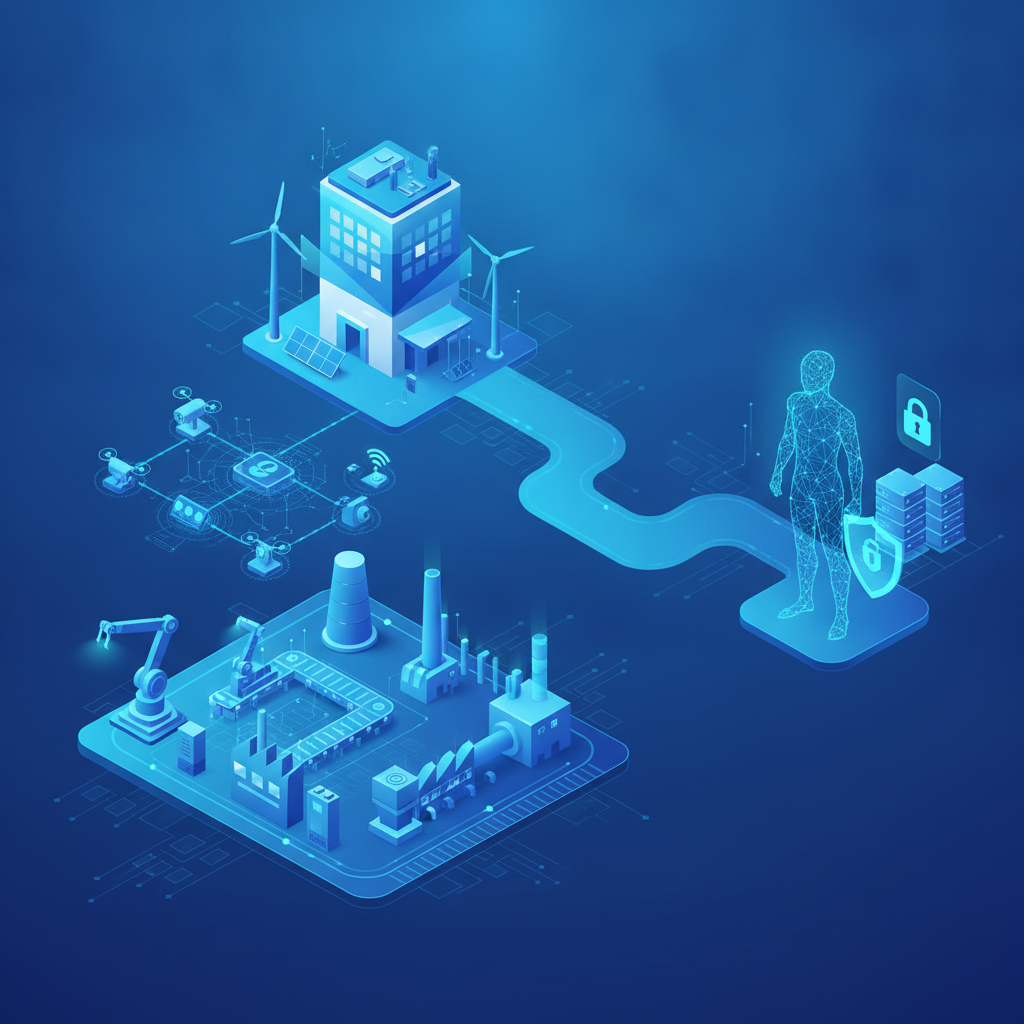

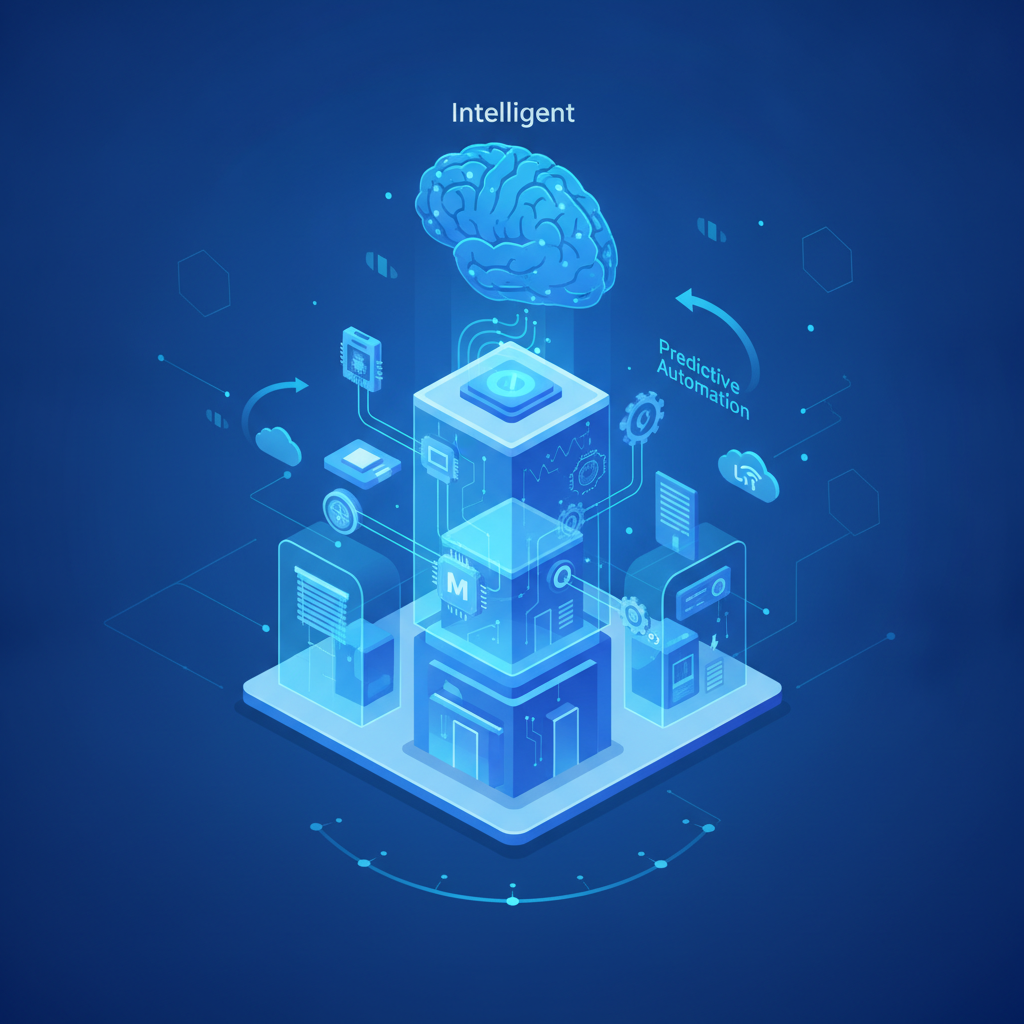
The shift from reactive repair to proactive maintenance is fundamentally changing the landscape of industrial control systems (ICS) and smart buildings. Today, modern intelligent electric actuators are stepping beyond simple mechanical tasks to function as comprehensive data nodes.
Equipped with integrated dataloggers, these edge devices capture high-fidelity operational information—including torque profiles, vibration levels, and temperature readings. By seamlessly pushing this real-time telemetry into modern control networks, facility operators can finally make critical infrastructure decisions based on precise equipment conditions rather than broad assumptions.
Simplifying Connectivity with Integrated Modbus TCP
Historically, extracting diagnostic information from field equipment required a maze of additional hardware, fragile gateways, and overly complex network architectures. This not only inflated deployment costs but also introduced unnecessary vulnerabilities into ICS security postures.
The integration of native Ethernet technology has completely streamlined this process. Modern intelligent actuators now support widely adopted industrial communication protocols like Modbus TCP, EtherNet/IP, and PROFINET directly on the device. By eliminating isolated gateway devices, engineers can streamline physical installation and dramatically accelerate system commissioning.
Furthermore, this high-speed direct integration supports data transfer rates up to 100 Mbps. This ensures that larger volumes of granular operational data can be collected efficiently without congesting critical automation networks.
From Raw Telemetry to Actionable Insights
While robust connectivity establishes the pipeline, the actual ROI is generated by transforming raw data into actionable insight. Advanced intelligent asset management systems rely on continuous data streams to monitor developing mechanical issues long before they trigger a system fault.
By constantly analyzing variables like operating cycles and vibration anomalies, predictive algorithms can evaluate actuator performance and automatically generate maintenance recommendations. This data-driven approach minimizes environmental risk, enhances workplace safety, and prevents catastrophic, unplanned shutdowns.
Instead of dispatching technicians only when a valve fails, operations teams can schedule highly targeted, preventative interventions. This maximizes overall asset availability while maintaining strict control over maintenance budgets.
Aligning Maintenance with Asset Criticality
In sprawling commercial environments, not every actuator carries the same operational weight. A sophisticated building automation strategy requires identifying the specific equipment whose failure would trigger severe production interruptions or occupant safety incidents.
By prioritizing these mission-critical assets, organizations can align their standard and enhanced maintenance packages directly with operational risk. Analyzing operational cycles and torque data via advanced algorithms allows engineering teams to focus their specialized labor exactly where it delivers the greatest value.
Managing these sophisticated maintenance tiers at scale requires robust, centralized oversight. This is where BAaaS.io excels, providing a unified cloud ecosystem to monitor property-wide infrastructure, proactively detect equipment anomalies, and orchestrate intelligent building management with seamless Modbus integration.
Conclusion
The convergence of intelligent edge devices, high-speed connectivity, and predictive analytics is redefining operational efficiency. The days of siloed building systems and assumption-based maintenance are rapidly coming to an end.
By leveraging intelligent actuators capable of native Modbus TCP communication and integrating their telemetry into centralized management platforms, organizations can safeguard their critical assets. Ultimately, this structured, data-first framework drives long-term reliability, reduces lifecycle costs, and ensures peak performance across modern smart buildings.