
In 2010, the emergence of Stuxnet shattered the enduring myth of the impenetrable, air-gapped industrial network. While mainstream cybersecurity treated the incident as a sensational headline, visionary practitioners recognized a permanent inflection point: malicious code could systematically manipulate and physically damage operational hardware. Mike Holcomb, recently celebrated in Industrial Cyber’s Hall of Fame, saw this not just as a crisis, but as an urgent call to bridge the profound disconnect between control room engineering and digital security.
From leading global industrial cybersecurity initiatives across power grids, commuter rail, and refineries at Fluor to founding UtilSec, Holcomb’s career offers an indispensable blueprint for the automation sector. For modern building automation architects and Industrial IoT specialists, the takeaway is clear: physical operational reliability and digital resilience can no longer exist in separate silos.
The Stuxnet Awakening: When Code Began Moving Physical Steel
For decades, operational technology (OT) and industrial control systems (ICS) operated under a philosophy of trust-by-default. Protocols like serial Modbus RTU and BACnet/IP were engineered strictly for deterministic, real-time performance on isolated networks, lacking native cryptographic authentication or message encryption. Stuxnet proved that determined threat actors could leverage these protocol design choices to mask anomalies while running physical equipment into catastrophic failure.
Holcomb realized early on that traditional enterprise IT tactics—such as unannounced vulnerability scanning or aggressive automatic patching—could destabilize sensitive PLCs and field controllers. Addressing industrial cyber risk required entering the field, shadowing plant operators, and learning the physical nuances of PID control loops and process safety directly from the engineers managing them.
Applying ISA/IEC 62443 Across Converged OT and Building Networks
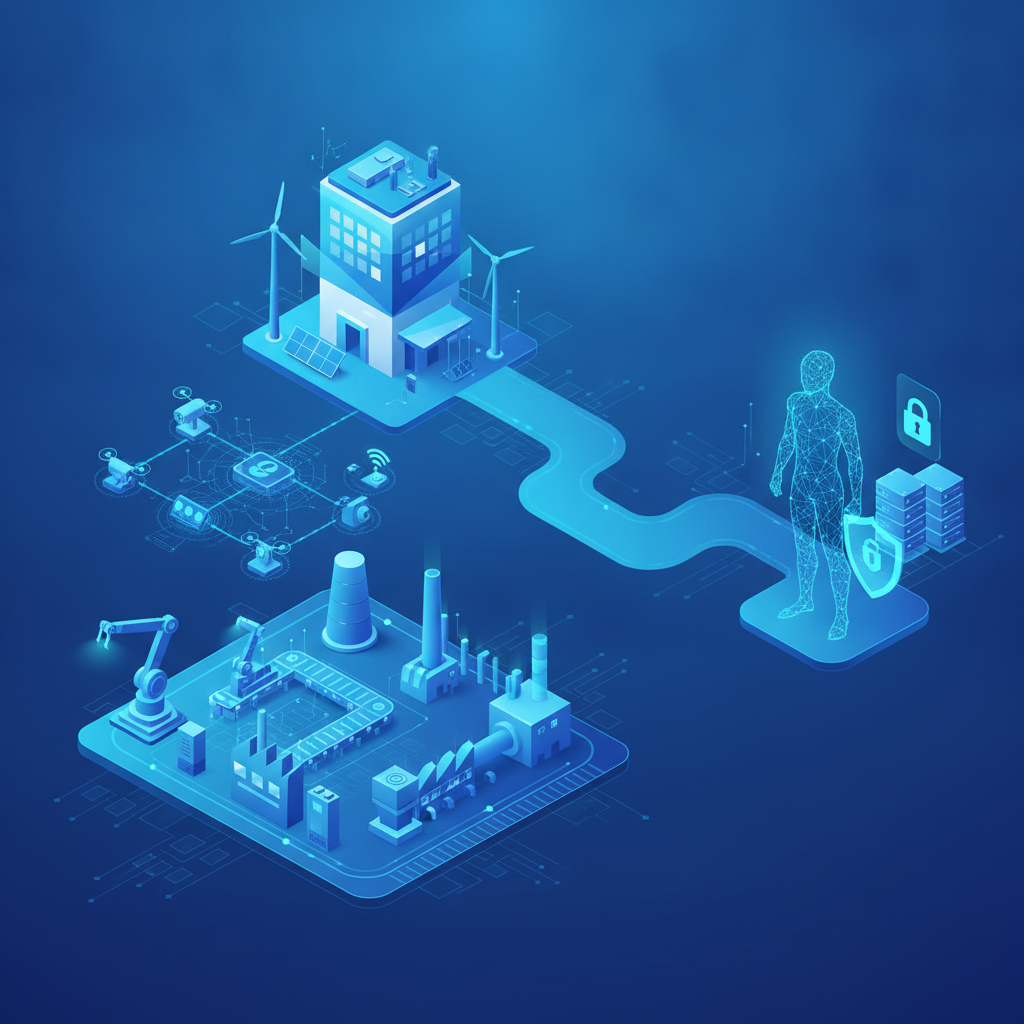
As enterprise IT converged with commercial facilities, frameworks like ISA/IEC 62443 became indispensable far beyond heavy manufacturing. Modern commercial real estate portfolios, central chiller plants, and hospital HVAC infrastructures utilize distributed control topologies that present attack surfaces nearly identical to industrial refineries.
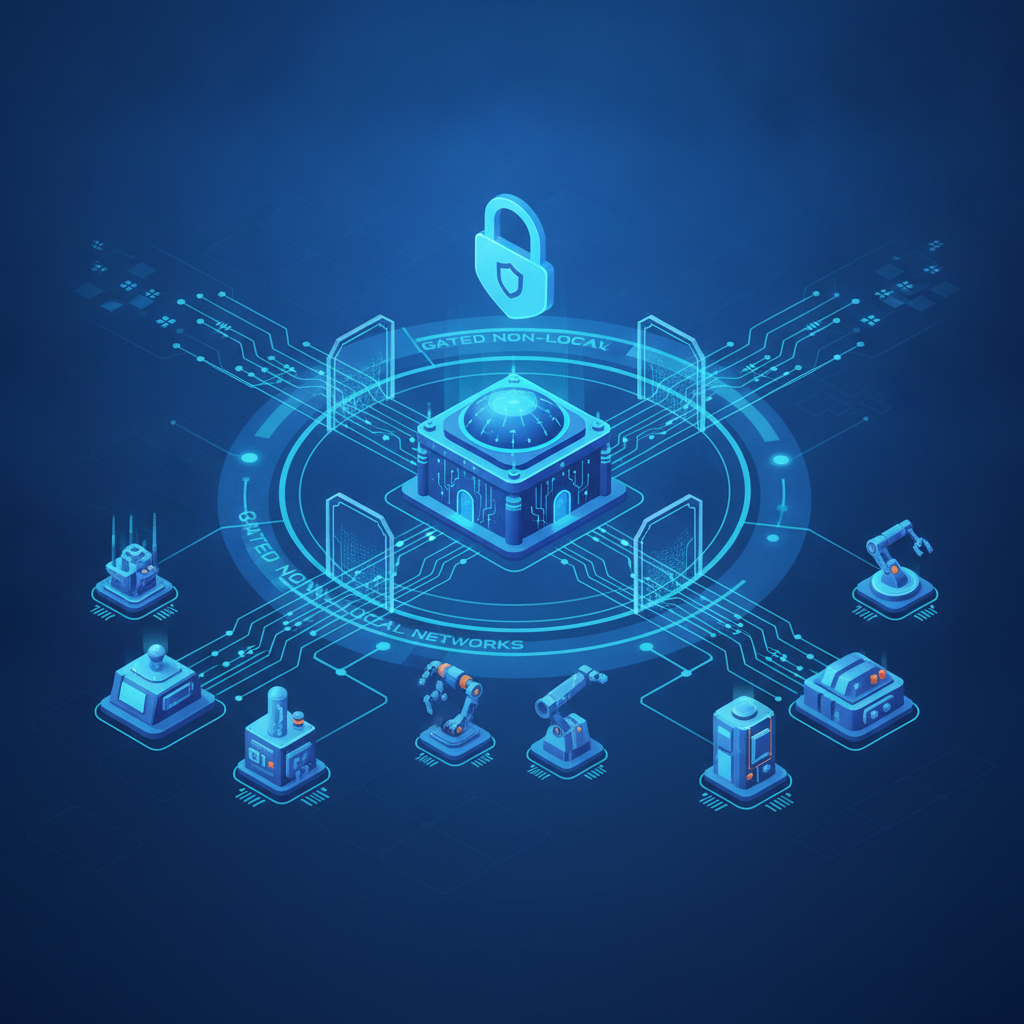
Without structured network segmentation, security zones, and robust operational conduits, a compromised edge device or building controller can serve as an open bridge into an enterprise backbone. Achieving resilient defense-in-depth requires engineering systems that maintain local autonomous stability while delivering centralized observability and strict policy enforcement.
Modernizing Operational Architecture with Secure Building Automation
Resolving the historic tension between facility operational availability and robust cyber hygiene requires architectures designed specifically for secure IT/OT convergence. Platforms such as BAaaS.io address this reality by delivering Building Automation as a Service, unifying disparate building management infrastructure into a cohesive, cloud-managed operational sphere.
Rather than exposing vulnerable field buses and legacy controllers directly to public networks, BAaaS.io provides proactive maintenance telemetry, automated environmental adjustments, and granular, role-based access control. By continuously monitoring critical parameters—from occupancy-driven ventilation to power distribution—facility leaders achieve deep energy optimization and operational efficiency without compromising cyber resilience.
Democratizing Knowledge to Close the Industrial Cyber Gap
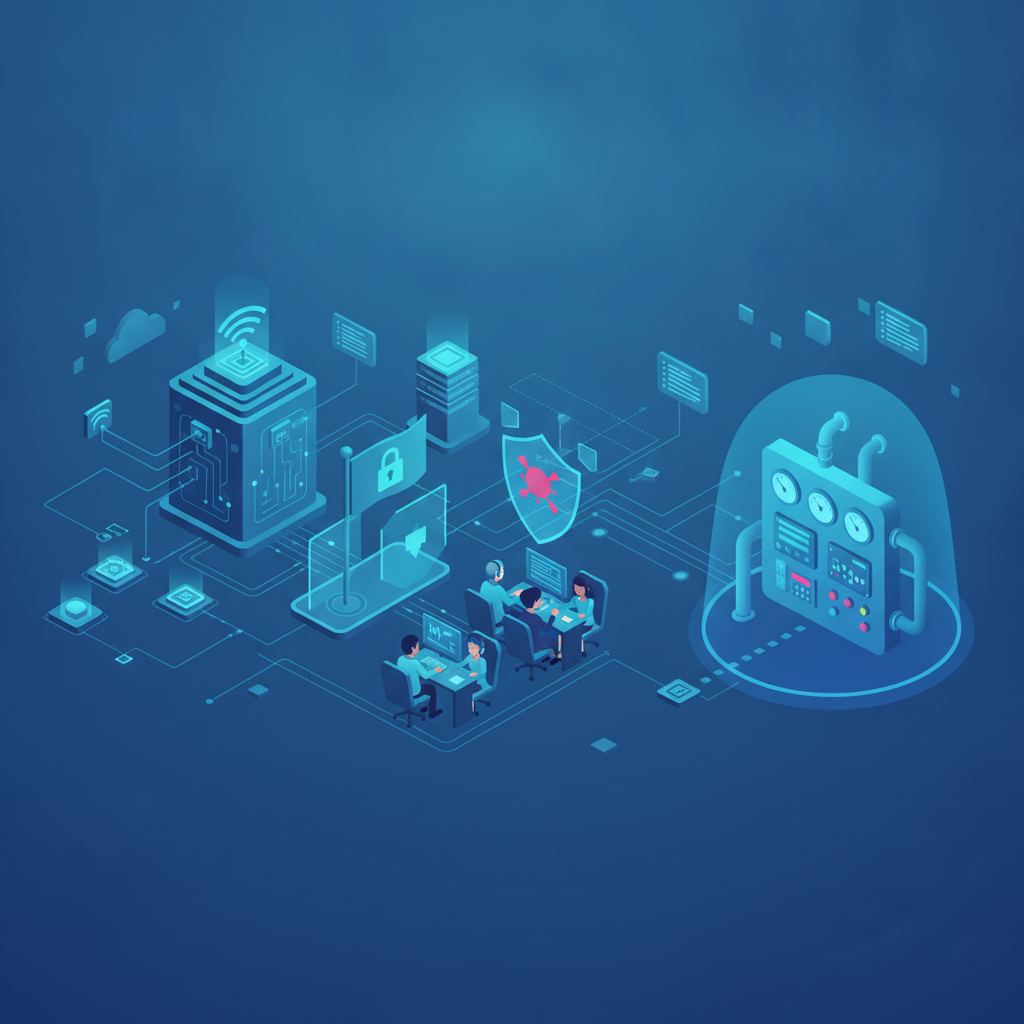
Beyond network architectures and technical controls, Holcomb’s legacy highlights the vital need for workforce enablement. The acute talent shortage in ICS and building automation cybersecurity stems largely from the historic barrier between software security teams and physical infrastructure technicians.
Closing this divide requires fostering cross-disciplinary literacy: teaching mechanical operators basic network packet hygiene and training IT defenders to respect the physical physics of industrial processes. Mentorship and community-driven knowledge sharing remain our most effective long-term strategies for protecting connected infrastructure.
Conclusion
Securing the physical equipment that powers our cities, buildings, and industries is no longer an afterthought—it is a baseline operational imperative. Mike Holcomb’s journey from floor-level curiosity to industry leadership highlights that lasting operational resilience requires empathy for plant operations, modern zero-trust frameworks, and secure-by-design ecosystems like BAaaS.io. As the line between the digital and physical worlds continues to dissolve, engineering safety directly into automation systems will define the future of sustainable, secure infrastructure.