
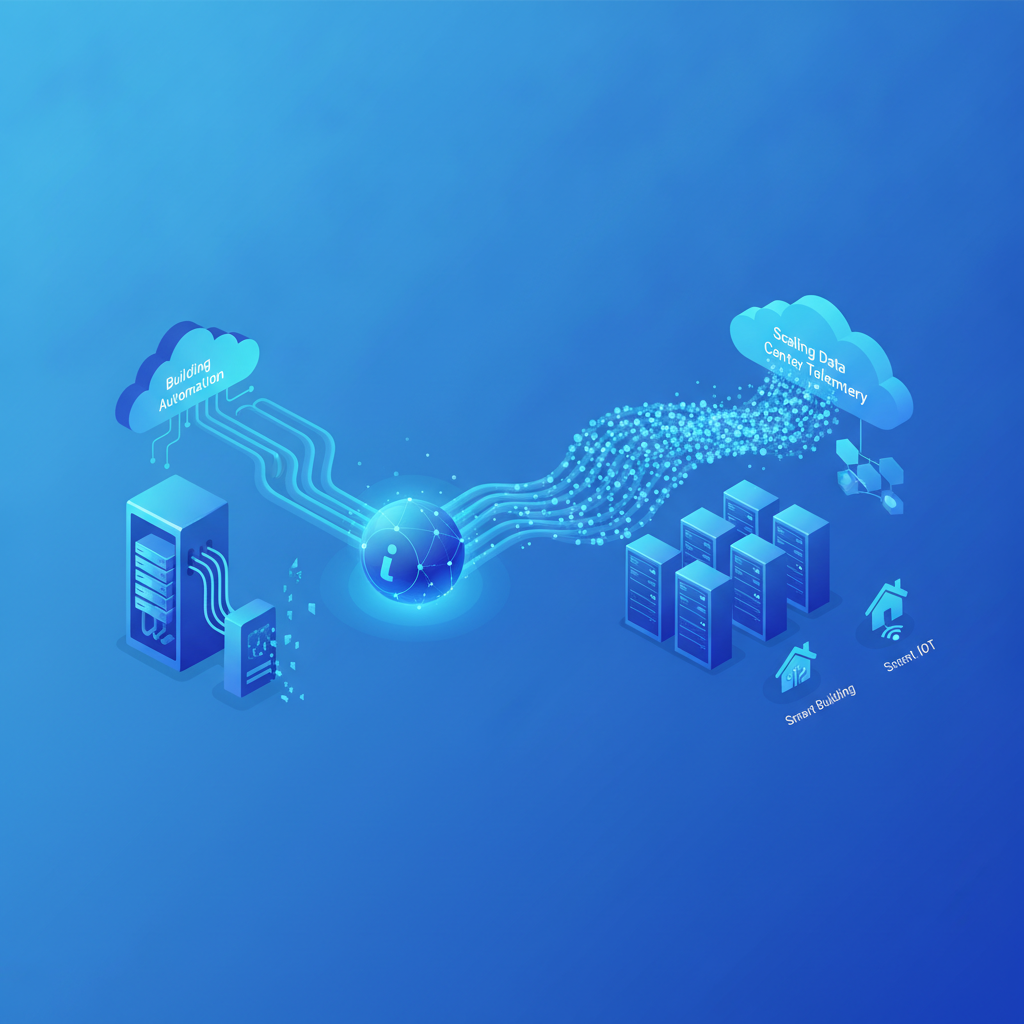
The rapid expansion of AI workloads is pushing data center infrastructure to its absolute limits. As computing densities skyrocket, operators are quickly realizing that legacy environmental monitoring—managing individual sensors one by one—is no longer sustainable.
Vaisala’s recent launch of the Indigo Supervisor marks a critical shift in how we approach telemetry in mission-critical facilities. By moving from disjointed coverage to unified, scalable measurement networks, the industry is paving the way for more resilient, intelligent building management.
The AI Workload Challenge: Why Legacy Sensor Management is Failing
High-performance AI servers generate massive thermal loads, requiring granular environmental data across data halls, technical spaces, and support areas. This demand creates a logistical nightmare for facility managers and control systems engineers. Deploying and commissioning hundreds of independent temperature and humidity sensors slows down aggressive construction timelines and introduces significant points of failure.
Without a standardized, systemic approach, maintenance becomes a constant battle. Operators simply do not have the time to troubleshoot individual nodes or manage convoluted IP addresses for every sensor. The industry desperately needs a way to deploy pervasive environmental monitoring without adding exponential complexity to the underlying building automation network.
Unified Topology: How the Indigo Supervisor Changes the Game
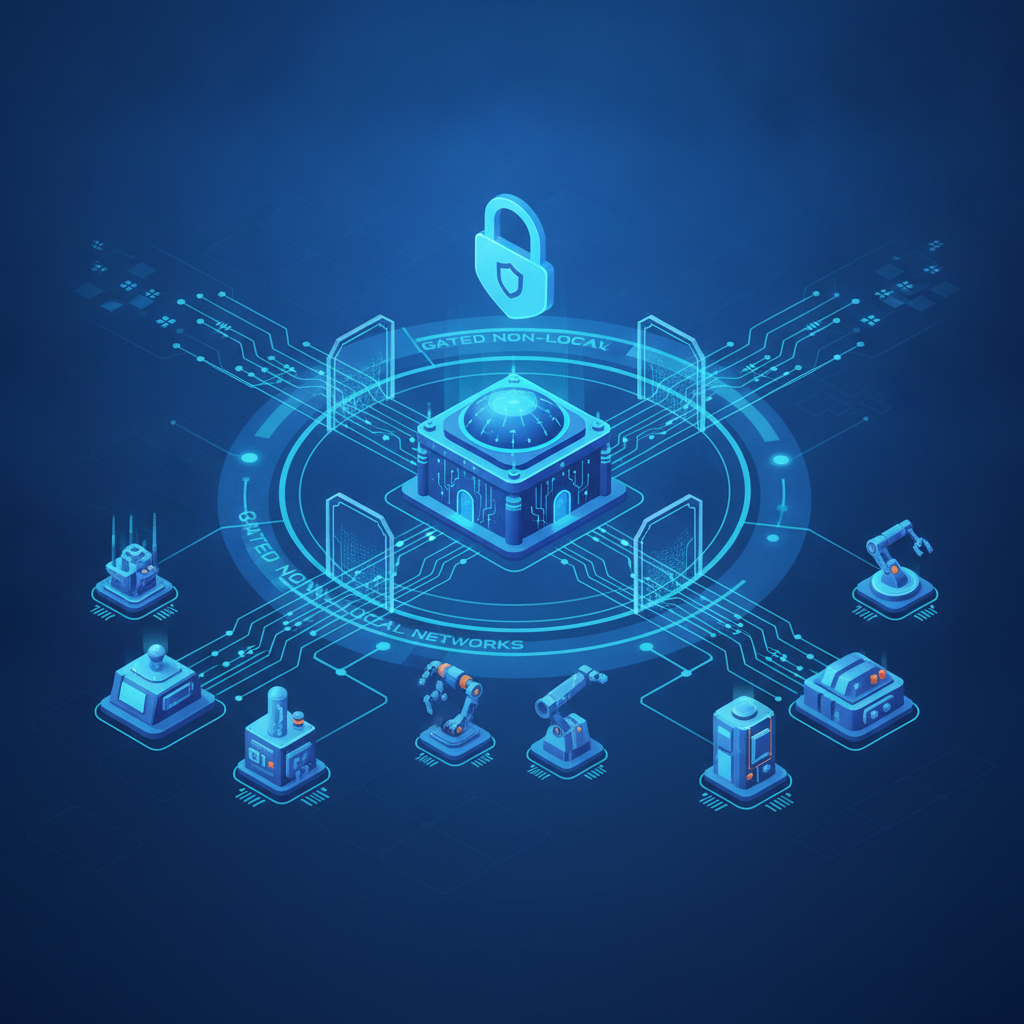
Vaisala’s Indigo Supervisor addresses this bottleneck by acting as a centralized host unit for up to 100 measurement points. By utilizing a daisy-chained architecture—supporting up to two independent chains of 50 probes each—it drastically reduces cabling, hardware costs, and network switch port requirements.
This system-level aggregation means operators can manage a vast array of compact probes, such as the XMP10 or HMP110 series, through a single local touchscreen interface. Web-based commissioning tools and CSV configuration exports further streamline multi-site deployments, transforming a chaotic web of sensors into a single, cohesive environmental subsystem.
Modbus TCP and the Role of Cloud-Based Building Automation
At the protocol layer, the Indigo Supervisor integrates seamlessly into modern Building Management Systems (BMS) via Modbus TCP. This single standardized connection minimizes ICS security risks by significantly reducing the network attack surface, as opposed to exposing hundreds of unsecured IoT sensors directly to the facility network.
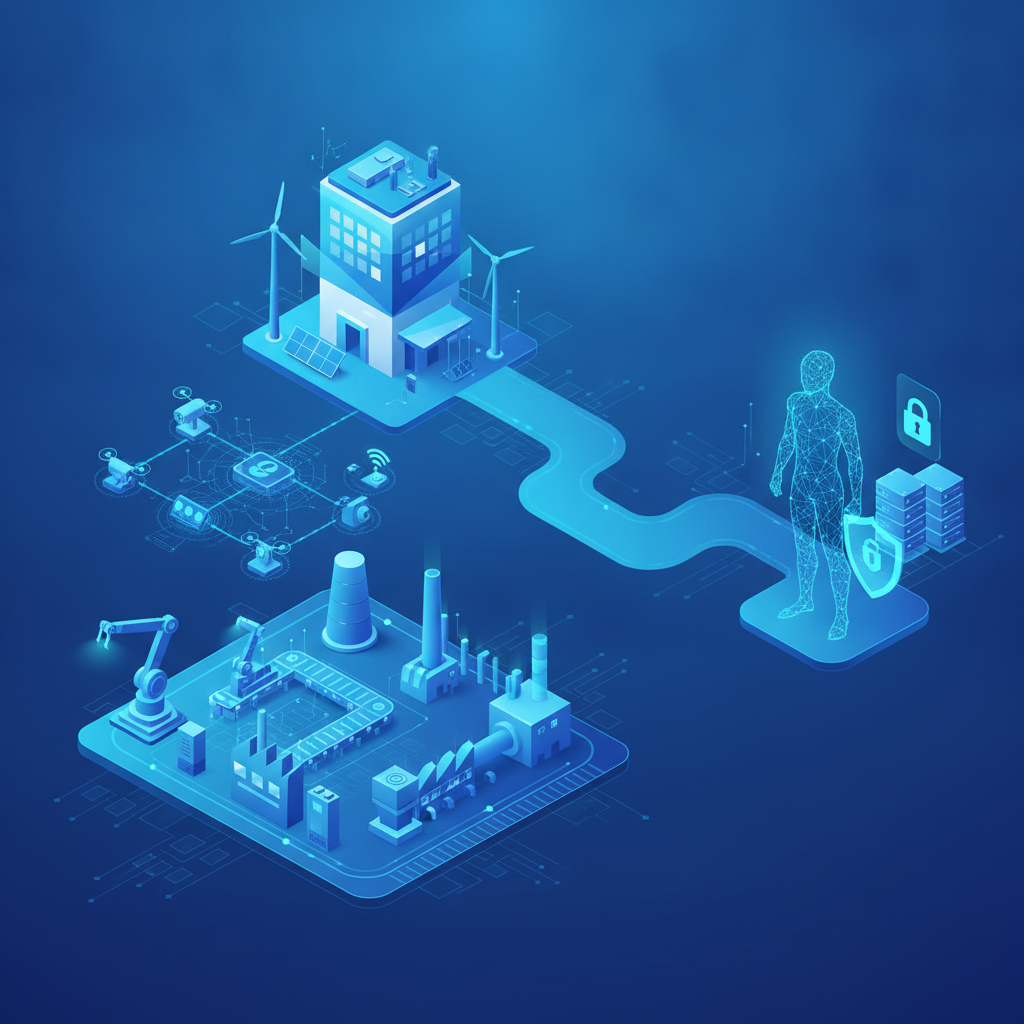
However, gathering granular telemetry is only half the battle; the real business value lies in how that data is utilized. This is where advanced cloud ecosystems like BAaaS.io bridge the gap. By ingesting high-density Modbus data into a centralized platform, BAaaS.io enables automated environmental adjustments, proactive maintenance, and cross-portfolio energy optimization.
Instead of manually monitoring dashboard alerts, operators can rely on a platform that continuously analyzes temperature and humidity trends to optimize HVAC performance, ultimately protecting hardware lifespans and reducing operational costs.
Beyond Data Centers: Smart Buildings and Critical Infrastructure
While data centers are the primary driver, this scalable architecture is highly relevant to broader smart building applications. Facilities like cleanrooms, advanced laboratories, and cold storage warehouses require strict environmental compliance without the burden of complex sensor management.
Leveraging a unified network of daisy-chained probes allows building owners to achieve an integrated building information sphere. When paired with intelligent control platforms, this rich data stream enhances both operational efficiency and occupant safety, driving down the building’s overall carbon footprint.
Conclusion
The evolution of building automation is rapidly shifting from mere coverage to dynamic scalability. Solutions like the Vaisala Indigo Supervisor demonstrate that managing high-density telemetry requires smart, aggregated edge devices communicating over trusted standards like Modbus TCP.
When these robust edge networks are coupled with modern Building Automation as a Service platforms like BAaaS.io, operators can finally turn raw environmental data into actionable, automated intelligence. As critical infrastructure grows in complexity, unified and scalable telemetry will be the cornerstone of operational excellence.