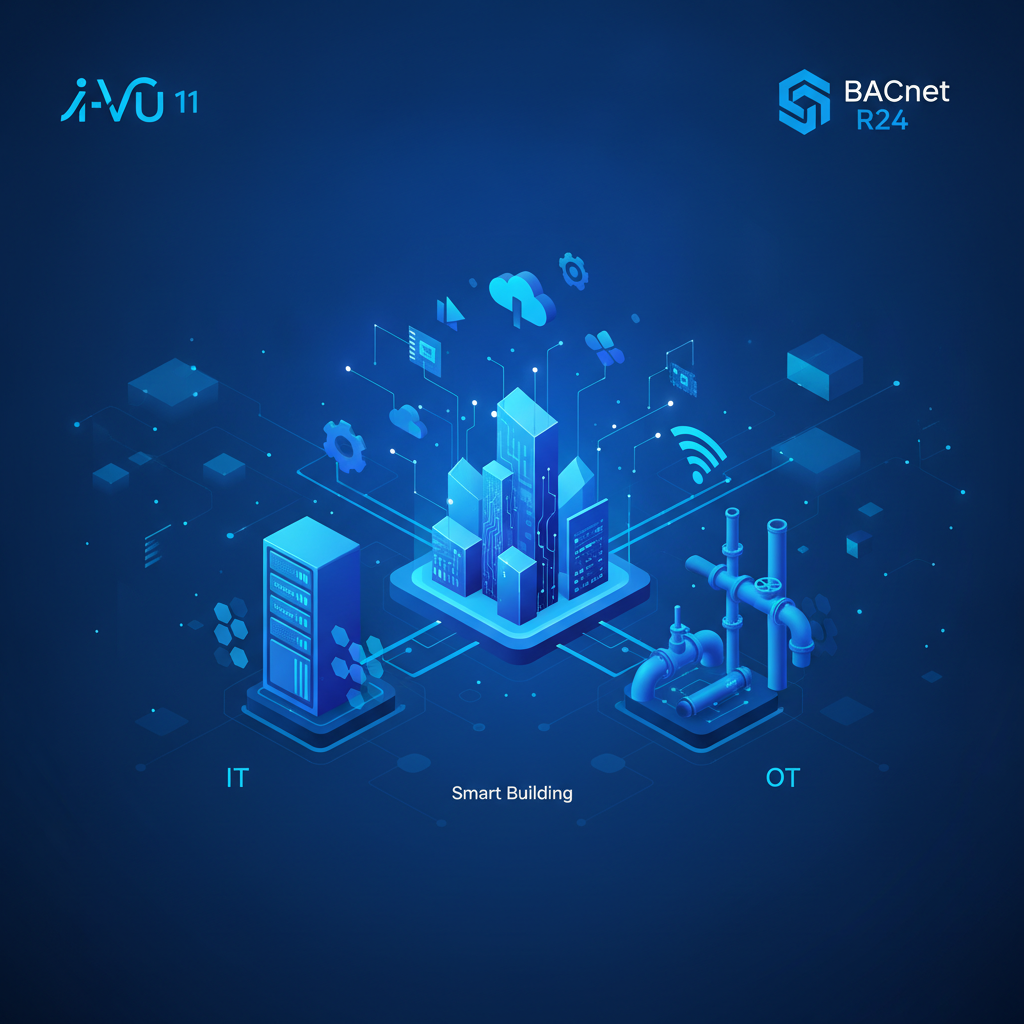

Commercial building owners in 2026 are facing immense pressure to cut energy waste. Between rapidly climbing utility rates and strict compliance mandates like the EU’s Corporate Sustainability Reporting Directive, optimizing building performance is no longer optional. Recent industry evaluations highlight a massive shift in how facilities teams approach this challenge, moving away from fragmented vendor portals toward unified intelligence.
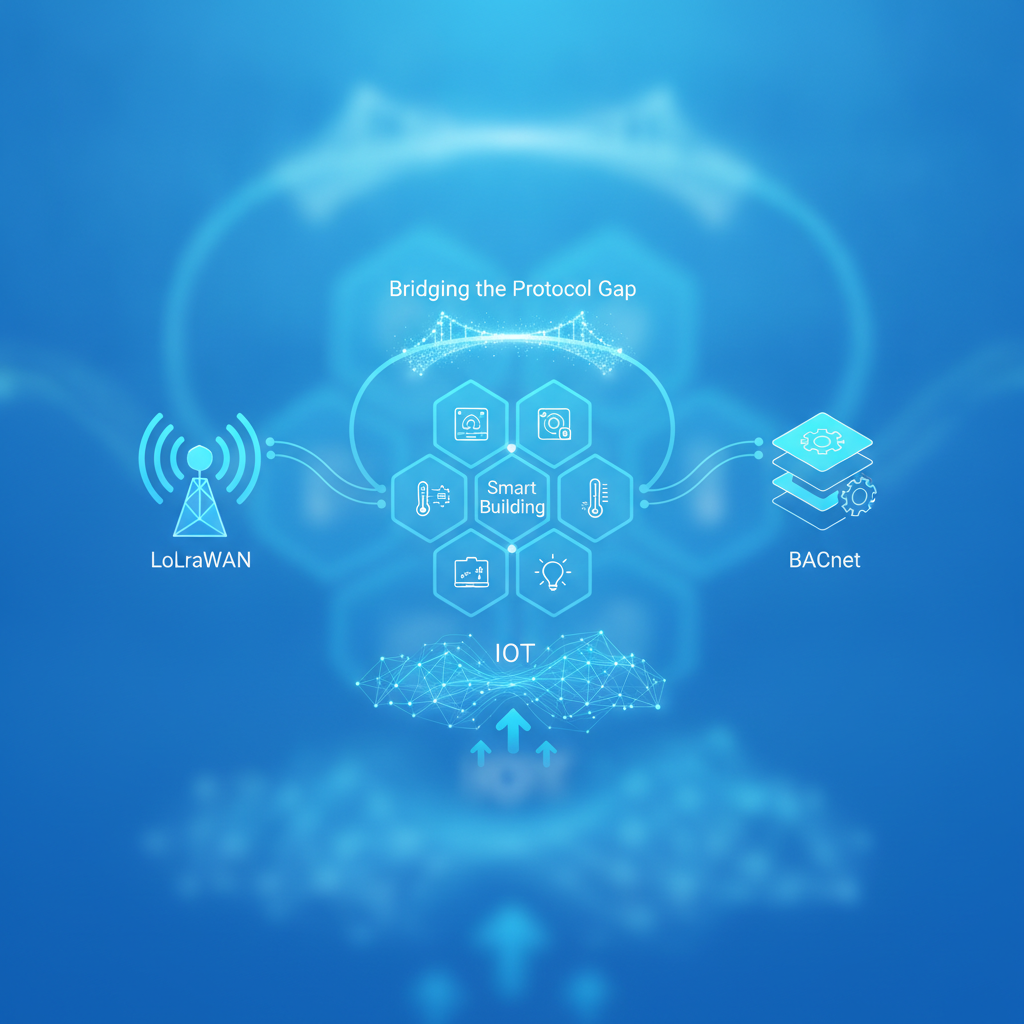
Platforms like Kilo are leading a new wave of physical AI by merging modern IoT protocols—such as LoRaWAN and mioty—with traditional data ingestion methods like MQTT. This convergence is actively dismantling the historical silos of building automation, allowing operators to monitor HVAC loads, submeter energy, and manage anomalies through a single pane of glass.
The End of Proprietary Silos in Building Automation
Historically, building automation systems (BAS) were heavily fragmented. A facility might run legacy BACnet controllers for heavy HVAC equipment, while simultaneously deploying separate network servers for modern wireless occupancy and environmental sensors. Reconciling data from multiple vendor platforms manually is a recipe for operational blindness.
The modern smart building demands interoperability. Today’s facilities teams require platforms that can ingest multi-source data without costly, custom system integration projects. While legacy giants like Schneider Electric, Siemens, and Johnson Controls have long dominated the hardware landscape, the market is aggressively pivoting toward software layers that seamlessly bridge wired controllers and wireless IoT sensors.
This protocol breadth allows operators to track a chiller’s power consumption alongside wireless room temperature sensors in real time. Breaking free from proprietary hardware lock-in is the critical first step toward achieving genuine energy optimization and tenant comfort.
AI, Digital Twins, and Actionable Telemetry
Ingesting multi-protocol data is only half the battle; the true value lies in real-time telemetry and advanced analytics. Modern platforms are generating live 3D digital twins, binding wireless sensors directly to specific rooms, electrical panels, or mechanical equipment. This provides facilities managers with unprecedented, granular visibility into energy performance.
With built-in AI assistants and visual rule engines, operators can establish dynamic baseline thresholds. If an asset deviates from its expected energy consumption profile, the system automatically triggers an alert. This shifts building maintenance from a reactive scramble to a proactive strategy.
Automated alarm routing, utilizing multi-tier escalation chains, ensures that energy anomalies are instantly pushed to the right personnel. This drastically reduces the risk of minor equipment faults ballooning into catastrophic mechanical failures or wasted utility spending.
Unifying Infrastructure Securely with BAaaS
While blending open IoT protocols with traditional BAS networks unlocks massive potential, it also introduces complex ICS security risks. Exposing physical infrastructure to new attack vectors requires a highly secure, well-governed cloud architecture to prevent unauthorized access and systemic vulnerabilities.
This is where adopting a specialized ecosystem like BAaaS.io becomes a strategic imperative. By providing Building Automation as a Service, it centralizes control across disparate HVAC, lighting, and security systems into one highly secure, unified network with robust role-based access control.
The platform’s real-time telemetry and automated environmental adjustments simplify the entire service lifecycle. It ensures that data from BACnet controllers and modern IoT sensors is harmonized securely, enabling proactive maintenance and improved energy efficiency without compromising the facility’s underlying ICS security.
The Business Impact of Fault Detection and Escalation
Raw data sitting idly in a dashboard provides zero return on investment. The defining characteristic of 2026’s top energy management platforms is their ability to turn data into automated workflow execution. Systems must route anomalies into actionable alert structures instead of relying on manual observation.
Whether it is Kilo’s built-in AI rules engine, Honeywell Forge’s cloud-based fault detection, or Facilio’s API-first software, automated escalation ensures immediate intervention. By utilizing targeted workflows—even factoring in quiet hours for non-critical alerts—facilities teams can operate with leaner, more focused resources.
Ultimately, these intelligent systems reduce a building’s carbon footprint, extend equipment lifecycles, and enhance the occupant experience through customized, comfortable environments.
Conclusion
The building automation landscape is undergoing a radical and necessary transformation. Facilities managers are moving beyond rigid, single-vendor controller ecosystems, embracing hybrid environments where LoRaWAN, MQTT, and BACnet coexist seamlessly.
As physical AI and digital twins blur the lines between traditional BAS and modern wireless networks, the focus must remain on interoperability, robust cybersecurity, and automated operational intelligence. Buildings that successfully unify their disparate systems into one secure, actionable platform will undoubtedly dominate the next era of sustainable real estate.