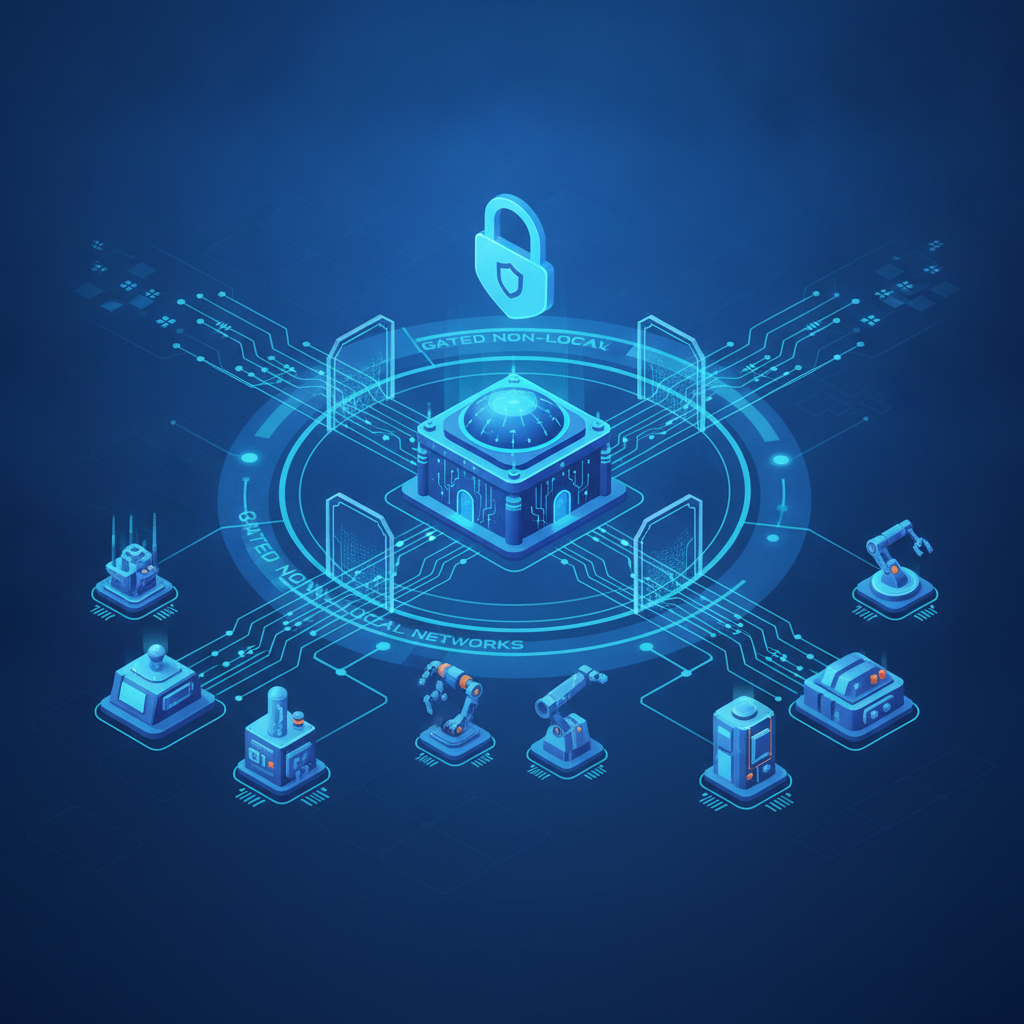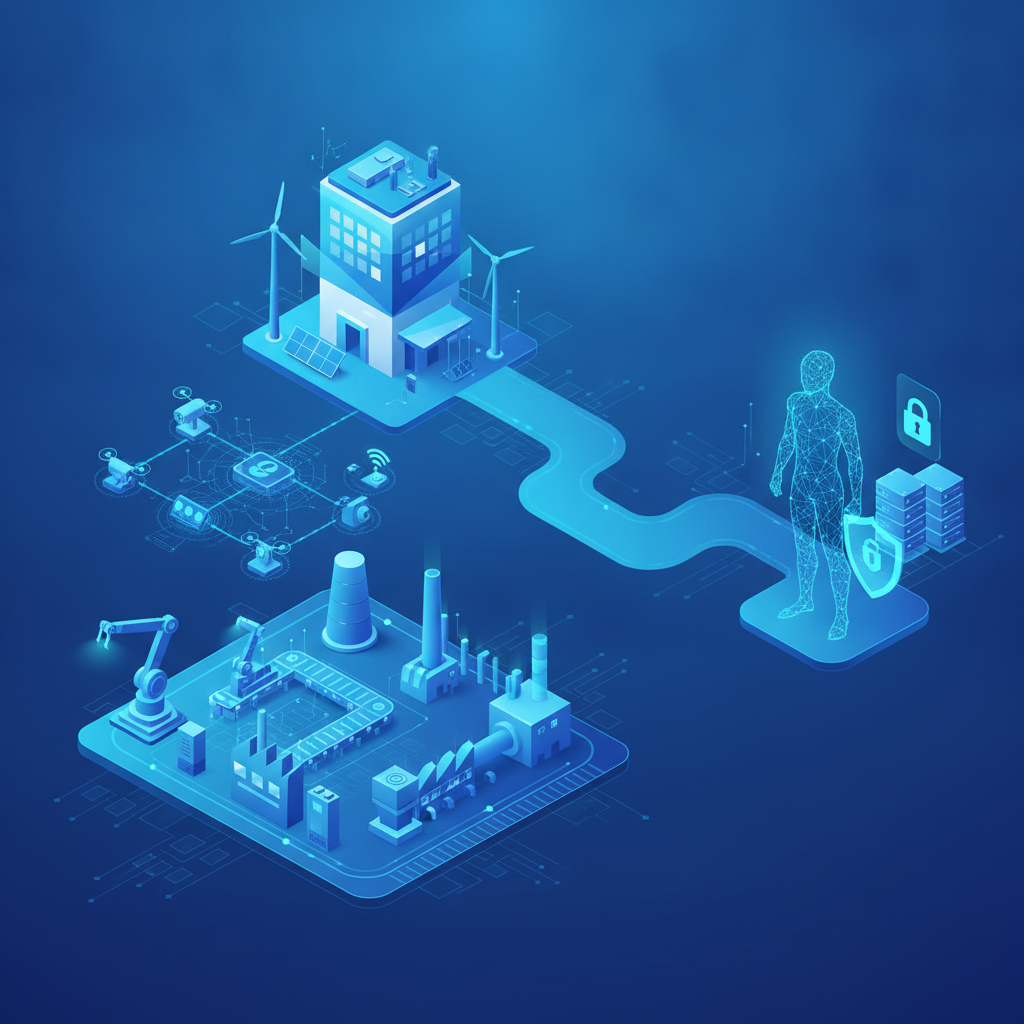

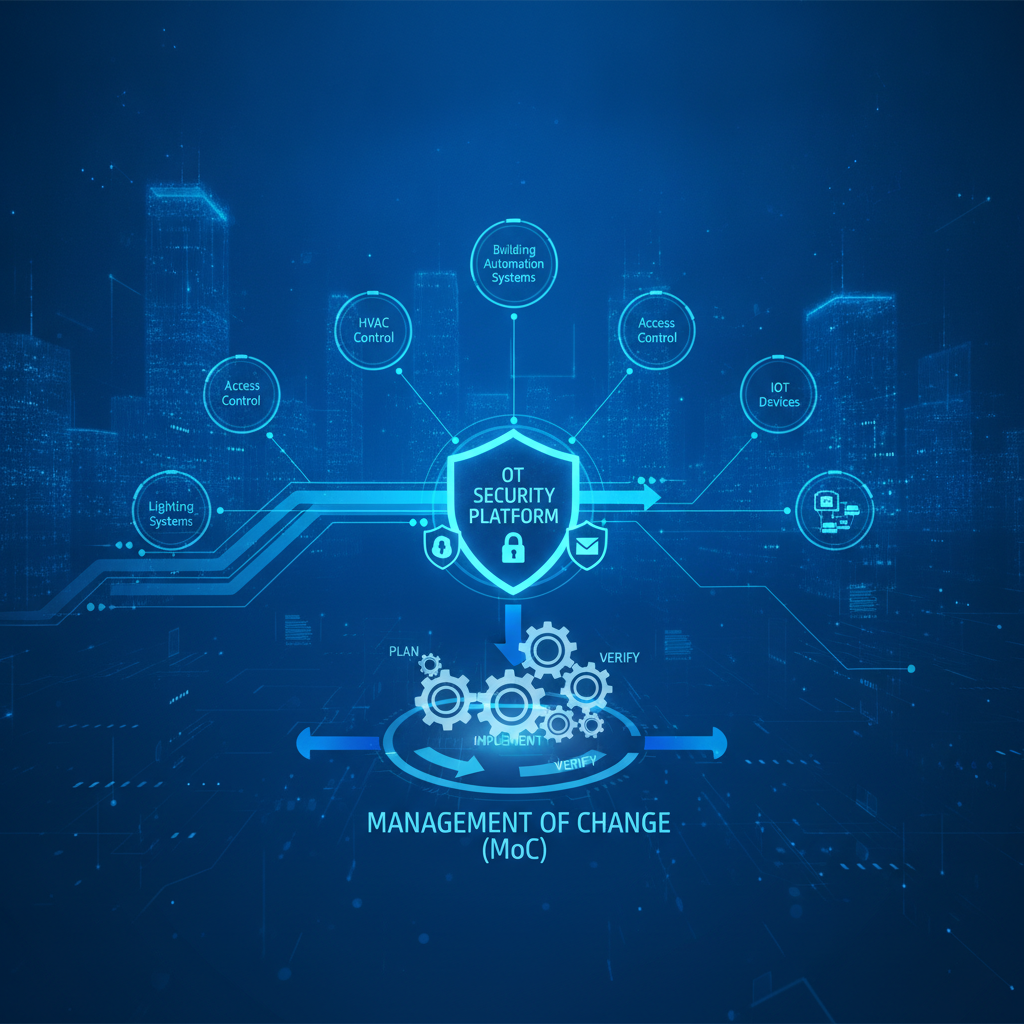
Security programs in Operational Technology (OT) and building automation environments frequently stall, not due to a lack of advanced tools, but because they bypass the operational lifeblood of the facility: the Management of Change (MoC) process. For operations teams, MoC is the formal, trusted workflow that dictates how modifications to industrial control systems (ICS) are executed without disrupting the physical environment.
When IT security teams treat MoC as a bureaucratic obstacle rather than a vital authority structure, they risk causing the very disruptions they aim to prevent. A security action that appears benign from a traditional IT perspective can create unexpected loads on legacy controllers, triggering safety mechanisms or desynchronizing critical facility processes.
The IT vs. OT Disconnect: Why “Read-Only” is a Myth
In traditional IT environments, a passive network scan or configuration pull is generally considered a harmless, read-only event. However, in ICS security and smart buildings, this assumption is inherently dangerous. Even non-intrusive network queries can profoundly alter device behavior depending on the underlying architecture.
Legacy fieldbus networks, such as Modbus RTU over RS-485, were designed for deterministic, scheduled traffic—not the arbitrary query bursts generated by modern vulnerability scanners. Operating under strict bandwidth constraints, a standard SNMP walk on these serial links can easily cause buffer overflows, token drops, or complete controller crashes.
This physical reality dictates that all visibility and remediation efforts must be routed through MoC. Proper MoC submission ensures that security practitioners distinguish between robust industrial Ethernet devices and fragile legacy serial segments, preventing accidental equipment damage and production loss.
Security Actions That Demand Formal MoC Review
Mature operations teams view MoC as the ultimate access control layer for physical infrastructure. Any action that interacts with the data plane or control logic requires cross-functional approval from engineering, operations, and safety teams. Security is a technical contributor to this request, not the approving authority.
Actions requiring MoC entry include configuration collection, applying firmware patches to programmable logic controllers (PLCs), modifying network segmentation, and deploying new monitoring sensors. Even seemingly additive changes can introduce latency that disrupts time-sensitive building automation tasks.
Modern smart buildings require sophisticated infrastructure to manage these complex operational changes securely. Platforms like BAaaS.io provide an intelligent building management ecosystem that supports this rigorous workflow. By offering centralized, non-disruptive real-time telemetry, BAaaS.io aligns with strict operational guidelines to keep security and facilities teams perfectly in sync.
Emergency Containment: Stability Before Isolation
When an ICS security incident occurs, the immediate IT reflex is to isolate the compromised system. In an OT environment, isolating a device from its supervisory system without a rapid MoC review can be more disastrous than the breach itself, potentially causing a process to run open-loop or lose its commanded setpoint.
The governing principle in OT incident response must always be to contain the threat laterally while preserving process communication until operations confirm a safe isolation window. Shutting down an infected HVAC chiller without assessing the thermal impact on a data center, for example, creates cascading physical failures.
Establishing pre-approved emergency MoC templates for common containment actions—such as network segmentation or vendor remote-access lockouts—allows teams to act decisively. This ensures rapid remediation during an active threat without compromising physical safety or bypassing governance.
Aligning with ICS Standards and Safety Lifecycles
Regulatory frameworks like NIST SP 800-82 Revision 3 and IEC 62443 explicitly mandate that cybersecurity modifications respect OT constraints. These standards recognize that the consequence model in industrial automation prioritizes physical safety and process stability far above data confidentiality.
Any security action affecting a Safety Instrumented System (SIS) must be meticulously documented. Bypassing parallel safety MoC processes risks spurious trips, loss of safety functions, or severe regulatory penalties under functional safety standards.
Utilizing specialized cloud ecosystems like BAaaS.io ensures that building operations and proactive maintenance are managed through robust access controls and role-based authentication. This streamlined service lifecycle helps facility managers maintain compliance with exacting global standards while seamlessly integrating security measures.
Conclusion
Achieving true ICS security in smart buildings means bridging the gap between IT security intent and OT operational reality. The Management of Change process is the vital translation layer that makes this secure coexistence possible.
By routing all visibility and remediation efforts through MoC, building architects and security practitioners protect the physical process while hardening the digital perimeter. Ultimately, successful building automation security must operate as a collaborative participant in operational safety, never as a disruption to it.