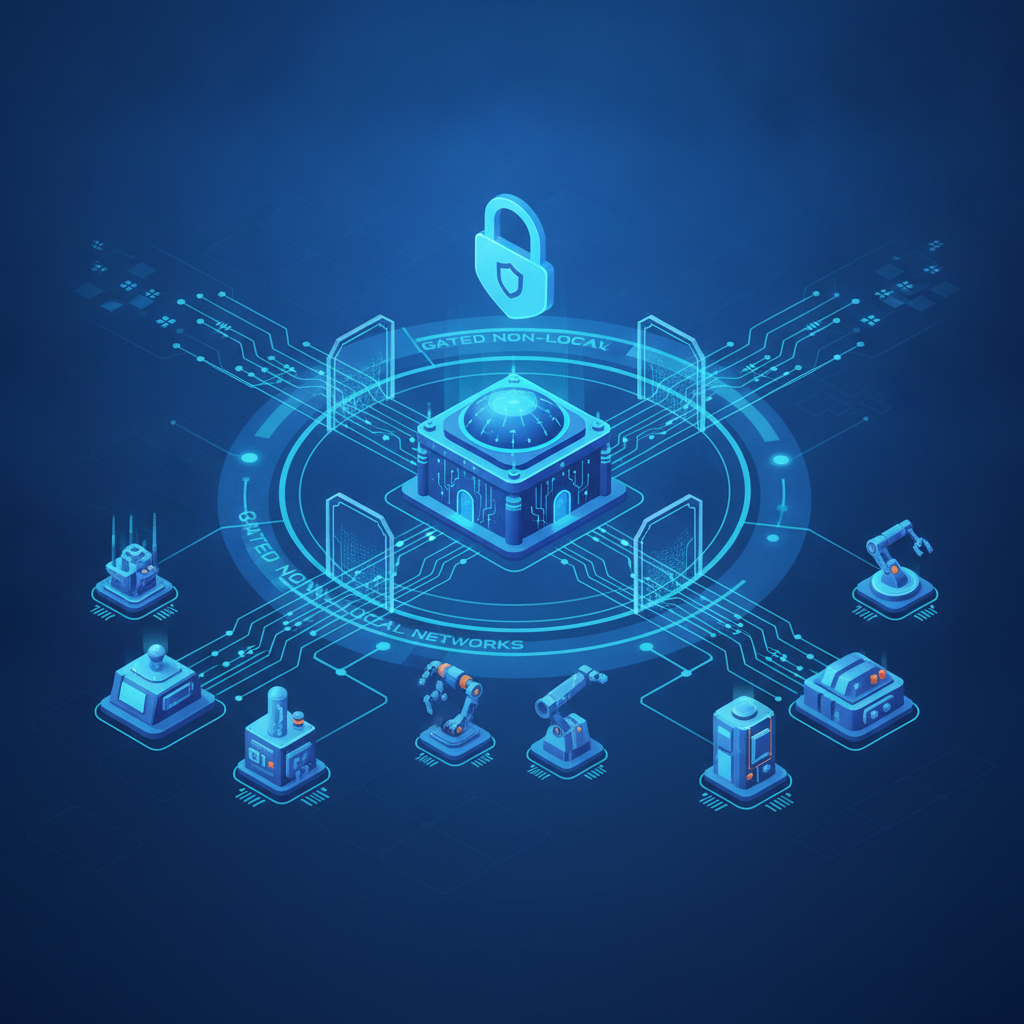

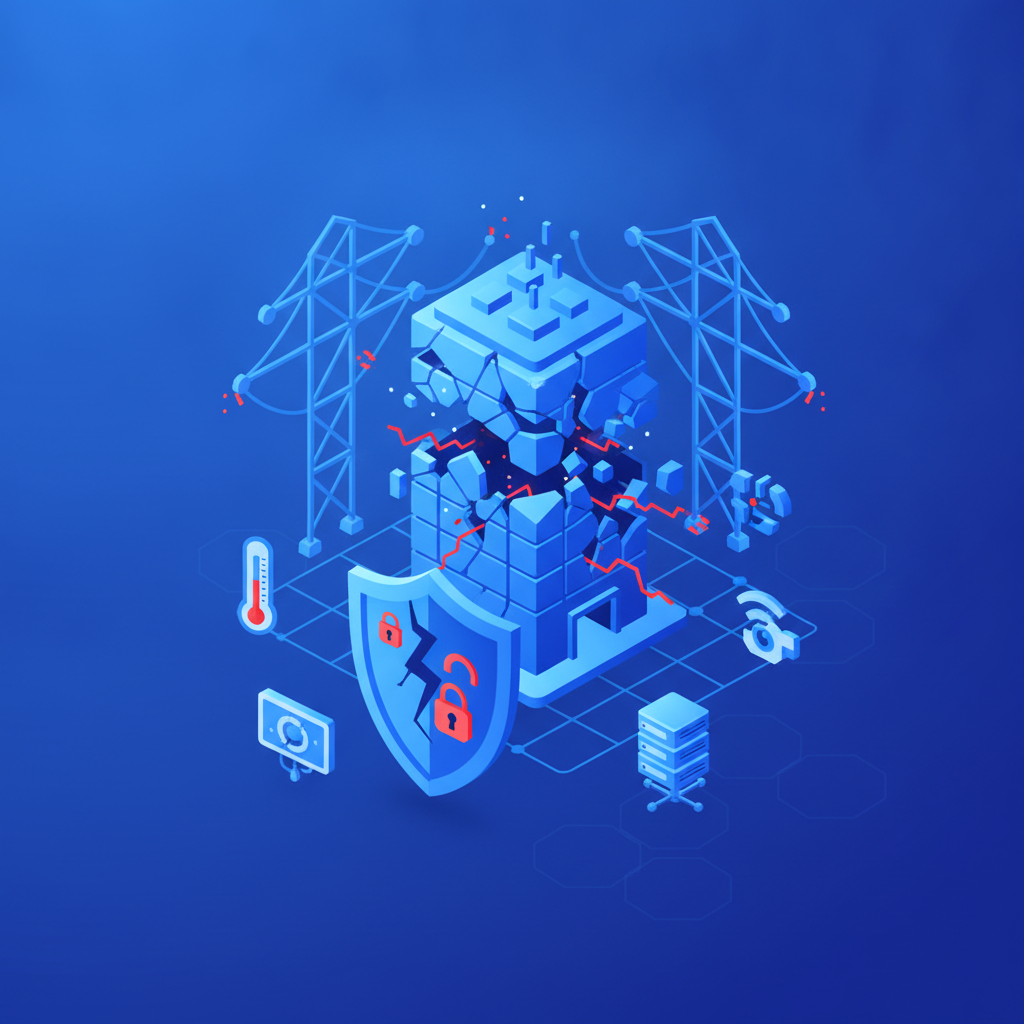
The sudden collapse of GivEnergy into administration has sent shockwaves through the renewable energy sector, leaving a massive footprint of orphaned battery storage systems in its wake. While battery storage is critical for modern grid balancing and decarbonization, poor cybersecurity implementations can quickly turn green assets into severe network liabilities.
Recent security disclosures have revealed multiple critical vulnerabilities in legacy GivEnergy All-In-One battery systems. These flaws range from predictable default passwords to exposed local management interfaces. With the manufacturer now insolvent and no official remediation plan on the horizon, customers and building operators are left to secure these systems on their own.
The Architecture of a Backdoor: Exposed Modbus and Telnet
For any Industrial Control Systems (ICS) professional, discovering unauthenticated local services on a modern connected device is a glaring red flag. Penetration testing revealed that GivEnergy battery gateways actively expose both HTTP (port 80) and Telnet (port 23) to the local network. Telnet, an archaic and inherently insecure protocol, has no place in contemporary energy products.
Digging deeper, the exposed Telnet service acts as a direct management interface for the embedded Wi-Fi module, protected only by the default credentials of admin/admin. This grants unauthorized users the ability to extract sensitive configuration data, including the Pre-Shared Key (PSK) of the host network. This closely mirrors notorious smart-device vulnerabilities of the past decade, effectively handing attackers the keys to the local network infrastructure.
More alarmingly, the devices expose Modbus TCP on port 502 and a local API on port 8099. In an automated building or smart home environment, unauthenticated Modbus access is disastrous. Attackers can actively modify battery behavior, alter charge/discharge configurations, or completely disable the storage unit, rendering expensive hardware useless.
Network Bridging Risks: When Batteries Become Network Vulnerabilities
The root cause of the home network exposure stems from a deeply flawed deployment architecture. The battery’s Wi-Fi module was designed to operate simultaneously as an Access Point (AP) and a network client. Earlier installations relied on a static, highly predictable PSK (12345678) or, worse, instructed installers to use the device’s broadcasted serial number as the password.
This configuration effectively metaphorically leaves the key in the lock. Because the serial number is broadcast in the SSID (e.g., WK12345G67), attackers can easily map vulnerable batteries using public wireless datasets like WiGLE, correlate their GPS locations, and connect directly to the AP without brute-forcing.
The threat is compounded by physical network connections. Installation guidelines recommended connecting the battery gateway directly to the local router via an RJ45 ethernet cable. When combined with the compromised Wi-Fi AP, this creates an unintentional, unmonitored backdoor bridging the wireless attack surface directly into the secure internal network.
Navigating Regulatory Fallout: The UK PSTI Act and Legacy IoT
The UK Product Security and Telecommunications Infrastructure (PSTI) Act was introduced to mandate baseline cybersecurity standards for consumer IoT, including a strict ban on default passwords. Although GivEnergy eventually released an installer app capable of generating unique, pseudo-random passwords, its delayed rollout meant countless systems were deployed under the insecure legacy guidance.
The Office for Product Safety and Standards (OPSS) was engaged regarding these potential PSTI breaches. Unfortunately, GivEnergy failed to implement a comprehensive remediation plan for existing customers before entering administration in April 2026. This highlights the severe “legacy risk” associated with proprietary IoT hardware.
When a manufacturer collapses, cloud-dependent mobile apps, firmware updates, and API platforms often go offline. Customers are left with stagnant firmware, unsupported interfaces, and persistent vulnerabilities that will never receive an official patch.
Securing the Grid Edge: Remediation and Better Building Automation
If you manage a property with legacy GivEnergy hardware, immediate action is required. Connect to the GivInstaller app or the embedded web server to change the Wi-Fi PSK from the serial number to a strong, random password. Additionally, you must update the embedded web server’s default admin password. From a network architecture standpoint, always isolate ICS and battery storage devices on a dedicated, strictly firewalled VLAN to prevent lateral movement.
For commercial operators and facility managers, the GivEnergy fallout illustrates why relying on siloed, hardware-dependent cloud apps is a critical business risk. Modern commercial properties require agnostic, secure, and centralized management ecosystems. This is where BAaaS.io completely changes the paradigm.
By leveraging the BAaaS.io (Building Automation as a Service) platform, facility managers gain centralized control and real-time telemetry across all property-wide infrastructure. Instead of relying on a patchwork of vulnerable manufacturer apps, BAaaS.io implements robust access controls and isolated network management. It ensures continuous operational security, proactive maintenance, and seamless energy optimization, protecting your building’s infrastructure even if a single hardware vendor ceases operations.
Conclusion
The insolvency of GivEnergy is a stark reminder that the transition to renewable energy must be underpinned by rigorous ICS security and robust building automation strategies. Unauthenticated Modbus interfaces, default Telnet passwords, and bridging network connections are unacceptable risks in modern smart buildings.
As the industry moves forward, hardware manufacturers must adopt secure-by-design principles, and building operators must transition to unified, secure platforms. By abstracting control into robust managed services, we can ensure that our pursuit of energy efficiency never compromises our network security.